
 By
By 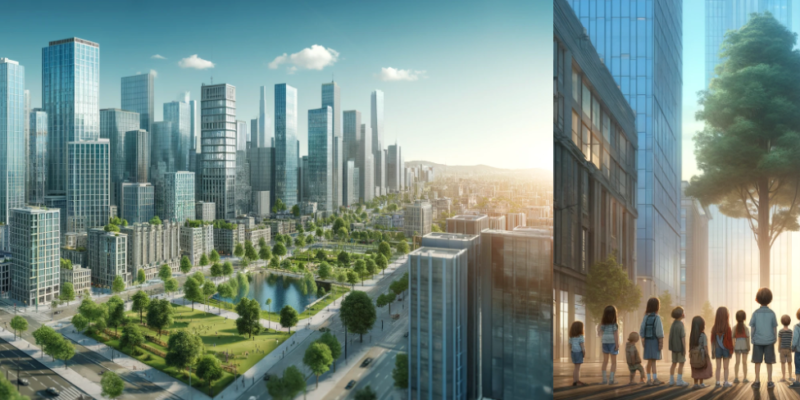
Stand on a major city road for long enough and you notice how quickly the built environment affects the body: heat from hard surfaces, noise from traffic, narrow pavements, little shade and few places to pause. Well-designed open space Rama 4 planning is valuable because it shows how greenery, pedestrian areas and accessible public space can make a busy urban corridor feel more comfortable, usable and connected.
Open Space Is Not Empty Space
In a dense city, open space has a job to do. It is not simply land left over between buildings, nor is it decoration added at the end of a development. It shapes how people move, rest, meet, exercise and experience the surrounding area.
This is particularly important near major roads, where the scale of traffic and buildings can easily dominate the pedestrian experience. A good open space creates a softer layer between the speed of the road and the slower rhythm of daily life. It gives people somewhere to step away from congestion, gather their bearings, meet a colleague, wait for transport or enjoy a few minutes outside.
The most successful spaces feel purposeful without being overcontrolled. People should be able to use them in different ways, whether that means walking through quickly, sitting quietly, joining an event or simply choosing a more pleasant route.
Comfort Changes How People Move
A city can have pavements and crossings, yet still feel difficult to walk through. Comfort is what turns basic access into a better everyday experience. Shade, planting, seating, lighting, clear sightlines and safe pedestrian routes all influence whether people choose to walk rather than avoid an area.
Open space can help reduce the harshness of dense urban conditions. Trees and planted areas can make walking routes feel cooler and more inviting. Seating gives older visitors, families and workers somewhere to pause. Wider pedestrian zones reduce the feeling of being squeezed between traffic and building frontages.
These details may sound modest, but they change behaviour. If a route feels hot, exposed or stressful, people use it only when necessary. If it feels comfortable, it becomes part of the daily pattern of the city.
Green Infrastructure Has Practical Value
The environmental role of open space is often just as important as its social role. Cities need greenery to help manage heat, rainfall and air quality. Planting can soften the urban landscape, support biodiversity and improve the way people experience outdoor areas.
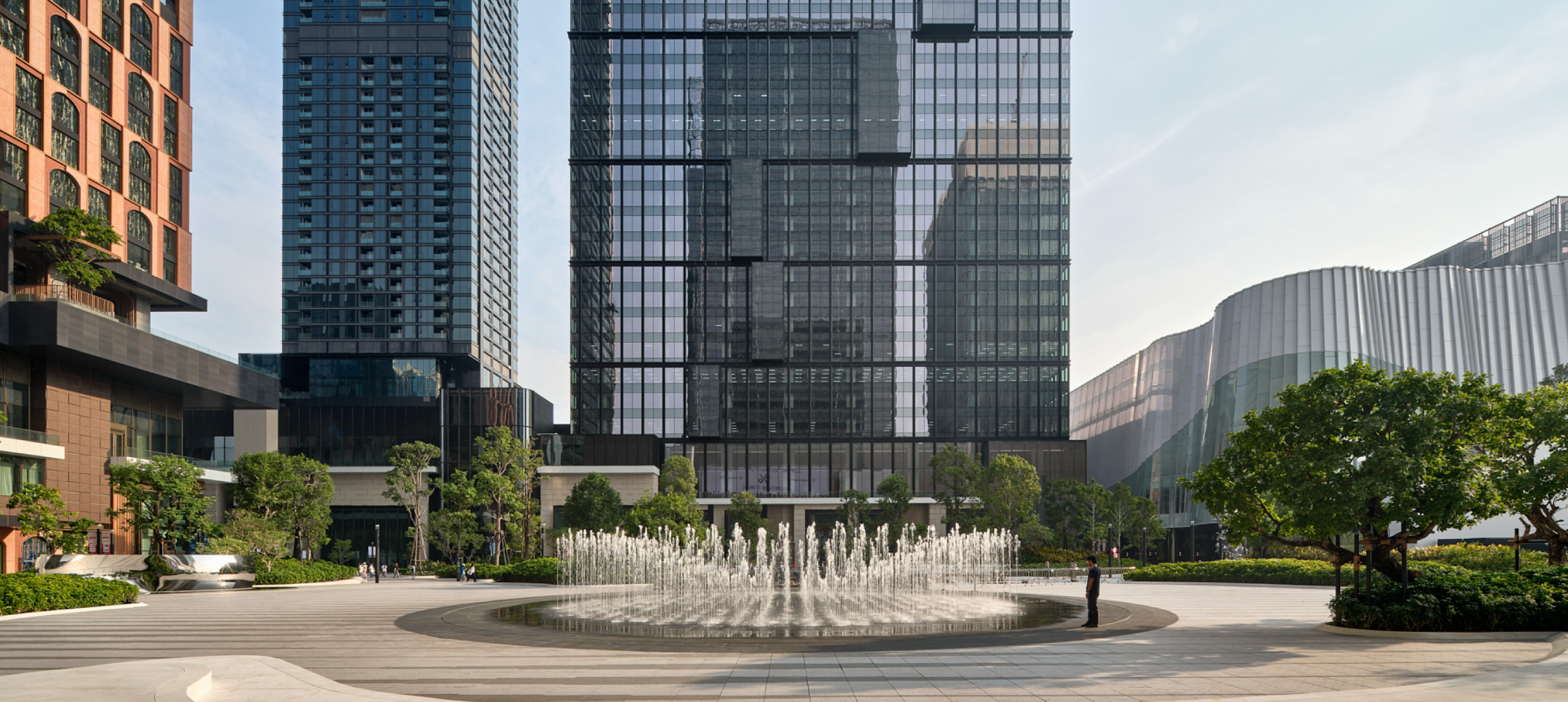
In hot climates, this matters enormously. Hard surfaces absorb and release heat, making streets and plazas uncomfortable during parts of the day. Green space can help counter this by creating shade and reducing the sense of heat at ground level.
Drainage is another practical consideration. Carefully planned landscapes can help manage heavy rain, slowing water movement and reducing pressure on hard drainage systems. When open space is designed as working infrastructure, it becomes more than a visual amenity. It becomes part of how the district functions.
Public Areas Support Local Activity
Open spaces also influence the success of nearby shops, cafés, offices and cultural venues. People are more likely to spend time in an area when there are pleasant places to walk, sit and meet. This can increase footfall and make the surrounding streets feel more active.
A shaded plaza, garden route or public lawn can support informal meetings during the working day, small events in the evening and family visits at weekends. The space does not need to be busy every minute to be successful. Its value lies in giving the neighbourhood flexibility.
This flexibility helps a district feel less like a collection of buildings and more like a place with its own rhythm. It allows different groups of people to use the same area in different ways throughout the day.
The Street-Level Experience Matters Most
Large developments are often judged by their skyline, but people experience cities at ground level. They remember whether a route felt safe, whether there was shade, whether they could find somewhere to sit, and whether the area felt welcoming.
Good open space makes dense urban life more manageable. It softens busy streets, supports movement, improves comfort and gives people reasons to spend time outdoors.
For a major city corridor, that can make a meaningful difference. Open space is not a luxury extra. It is part of what helps a fast, crowded and commercially active district feel human.










Comments