
 By
By 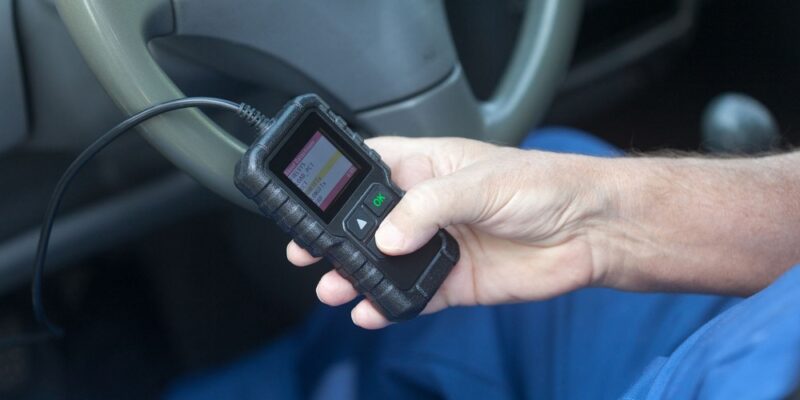
Modern vehicles are sophisticated computers on wheels. A single late-model car can feature dozens of interconnected electronic control units managing everything from fuel injection timing and braking dynamics to climate control and advanced driver assistance systems. For professional technicians and shop owners, relying on guesswork or visual inspection alone is no longer an option.
Accurate troubleshooting requires a combination of electronic diagnostic equipment, precision testing devices, and traditional mechanical tools. Mastering essential diagnostic tools speeds up repairs, reduces misdiagnoses, and ensures high-quality service in modern automotive repair facilities
Electronic Diagnostic Equipment and Scanners
Electronic diagnostic tools form the first line of defense when investigating check engine lights, operational glitches, or intermittent performance issues.
Advanced OBD2 Scan Tools
On-board diagnostic scan tools communicate directly with a vehicle’s onboard computers through the standardized diagnostic port. Basic code readers simply pull stored diagnostic trouble codes, but professional bidirectional scan tools provide comprehensive system access.
-
Live Data Streaming: Real-time sensor readings allow technicians to evaluate fuel trims, mass airflow metrics, oxygen sensor sweeps, and engine coolant temperatures while the vehicle is running.
-
Bidirectional Control: Advanced scanners enable technicians to actuate individual components directly from the tool, such as commanding a fuel pump relay to energize or commanding an individual fuel injector to pulse.
-
Module Coding and Relearning: Essential for registering new batteries, resetting service intervals, and calibrating replacement steering angle sensors or throttle bodies.
Automotive Digital Multimeters
Electrical faults account for a significant portion of modern vehicle issues. An automotive digital multimeter measures voltage, current resistance, frequency, and duty cycle across vehicle wiring circuits.
Unlike standard household multimeters, automotive-grade units offer high input impedance to prevent damaging sensitive electronic control modules during testing. Technicians rely on multimeters to locate parasitic battery drains, check sensor ground integrity, and confirm supply voltage at component connectors.
Lab Oscilloscopes
When electronic signals change too quickly for a digital multimeter to capture, an automotive lab oscilloscope becomes indispensable. An oscilloscope plots electrical voltage over time on a visual display screen, revealing precise waveform patterns generated by sensors, actuators, and communication buses.
Scopes excel at diagnosing intermittent misfires, verifying crankshaft and camshaft sensor synchronization, and identifying noisy signals caused by damaged wiring shielding or failing sensor elements.
Mechanical and Physical Testing Tools
Electronic tools identify where the computer detects an issue, but physical mechanical testing tools are required to verify actual hardware conditions.
Compression Testers and Cylinder Leak-Down Testers
Engine mechanical health depends on proper cylinder sealing. When an engine suffers from misfires or power loss, testing physical compression isolates internal engine wear.
-
Compression Testers: Threaded directly into spark plug or glow plug ports, compression gauges measure peak pressure generated by each piston during cranking. Low pressure across adjacent cylinders typically signals a blown head gasket, while single-low cylinders point to worn valves or damaged piston rings.
-
Cylinder Leak-Down Testers: By supplying compressed air into a cylinder locked at top dead center, leak-down gauges show the exact percentage of air loss and reveal the leak path. Escaping air heard at the tailpipe indicates a worn exhaust valve, air at the intake manifold points to an intake valve issue, and bubbles in the radiator neck indicate a blown head gasket.
Fuel Pressure Gauges
Fuel delivery systems operate under precise pressure thresholds required for proper atomization. Electronic sensors monitor fuel pressure, but a mechanical fuel pressure gauge attached directly to the fuel rail confirms actual pump output and regulator stability under varying engine loads.
Using a gauge alongside a scan tool helps differentiate between a failing pressure sensor, a clogged fuel filter, or a weak fuel pump module inside the tank.
Specialized Inspection Equipment
Modern automotive diagnostic tools also include specialized devices that allow technicians to inspect enclosed assemblies without teardown.
Automotive Video Borescopes
High-definition borescopes feature flexible cables equipped with tiny cameras and built-in lighting. Technicians snake the cable through spark plug holes, intake runners, or inspection ports to examine internal components without disassembling the engine.
Borescopes provide clear visual evidence of carbon buildup on intake valves, cylinder wall scoring, piston top damage, or internal transmission gear wear.
Smoke Machines and EVAP Testers
Locating subtle vacuum leaks or cracks in the evaporative emission control system can be frustrating using traditional methods. Automotive smoke machines push low-pressure, high-density mineral oil smoke through sealed intake systems, exhaust pipes, or fuel vapor lines.
Escaping smoke immediately reveals the exact location of cracked rubber hoses, leaking gaskets, loose hose clamps, or compromised charcoal canisters.
Frequently Asked Questions
What is the difference between a basic code reader and a professional scan tool?
A basic code reader simply retrieves and clears generic diagnostic trouble codes from the engine control module. A professional scan tool offers bidirectional control, live data graphing, access to all vehicle modules such as ABS, airbags, and transmission, and advanced functions like key programming and component relearns.
Why is high input impedance important for an automotive multimeter?
High input impedance, typically ten megaohms or higher, ensures that the multimeter draws negligible current from the circuit under test. This prevents the meter from acting as a load, which could alter voltage readings or damage sensitive microprocessors inside vehicle electronic control modules.
How does a cylinder leak-down test differ from a standard compression test?
A compression test measures the maximum pressure a cylinder generates while the engine cranks over. A leak-down test pressurizes a static cylinder with compressed air to measure the percentage of pressure lost and uses audible air leaks to identify the exact failing component, such as valves, rings, or head gaskets.
Can an oscilloscope diagnose CAN bus communication faults?
Yes. An oscilloscope can capture high-speed Controller Area Network bus signals in real time. By analyzing the physical differential voltage waveforms, technicians can identify short circuits to ground, open circuits, improper termination resistance, or electrical interference corrupting module communication.
Why are smoke machines necessary for diagnosing EVAP codes?
Evaporative emission systems are designed to capture fuel vapors and operate under tight sealing tolerances. Leaks as small as twenty thousandths of an inch can trigger a check engine light. Smoke machines pressurize the closed system with visible smoke, making tiny pinhole leaks instantly visible without time-consuming manual tracing.
How do thermal imaging cameras assist in automotive diagnostics?
Thermal imaging cameras detect temperature variations across vehicle components. They help technicians spot slipping drive belts, stuck brake calipers, clogged radiator cores, overloaded wiring circuits, and failing heated seats by displaying clear visual heat maps on screen.
What diagnostic tools are needed for servicing electric and hybrid vehicles?
Servicing electric and hybrid vehicles requires specialized high-voltage diagnostic tools, including CAT III or CAT IV rated multimeters, insulated hand tools rated for one thousand volts, milliohmeters to test stator insulation resistance, and specialized battery module balancing equipment.






Comments