
 By
By 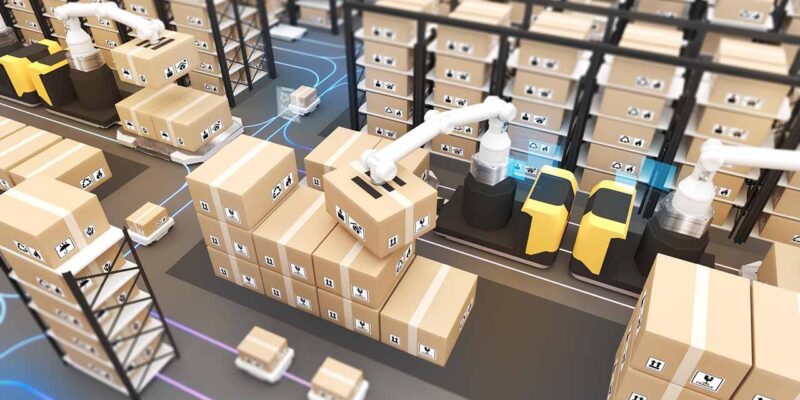
In today’s fast-changing business world, flexibility and efficiency are everything. Companies no longer want to lock themselves into long-term commitments or manage large physical assets on their own. This shift has given rise to an innovative model known as Warehousing-as-a-Service (WaaS). Instead of investing heavily in storage facilities and logistics, businesses can now rent high-quality warehouse spaces that meet their needs on demand. This trend is transforming supply chains across the UAE and helping both small startups and large enterprises stay agile and competitive.
The Rise of Warehousing-as-a-Service
The UAE’s thriving trade and e-commerce sectors have created a growing demand for storage solutions that are flexible, secure, and efficient. Businesses are realizing that renting warehouse spaces offers them far more advantages than building or owning one. A warehouse for rent provides the convenience of immediate setup, scalability, and professional management—all without the high upfront costs.
As companies look for ways to streamline operations, Warehousing-as-a-Service offers the perfect balance between affordability and performance. Whether a business needs short-term storage for a product launch or long-term space for growing operations, the option to rent warehouse facilities gives them the power to adapt instantly.
Key Benefits of Warehousing-as-a-Service
One of the main reasons behind the rapid growth of this trend is flexibility. Businesses no longer have to commit to fixed facilities that may not suit their future needs. Renting warehouses allows companies to scale up or down depending on market demand.
- Cost Efficiency:
Traditional warehouses require significant investments in land, construction, equipment, and maintenance. In contrast, a warehouse for rent eliminates these capital expenses. Companies only pay for the space and services they use, turning fixed costs into manageable operational expenses. - Scalability and Speed:
With WaaS, businesses can respond quickly to changing demands. If sales surge during peak seasons, companies can instantly increase their storage capacity. When demand drops, they can scale back without financial strain. This flexibility is ideal for fast-moving industries such as e-commerce, retail, and manufacturing. - Technology Integration:
Modern warehouses available for rent often come with advanced technologies such as inventory tracking, temperature control, and automated management systems. These features help optimize logistics, reduce errors, and improve overall supply chain visibility. - Strategic Locations:
Many warehouse facilities are located near key trade routes and industrial areas, allowing for faster distribution and reduced transport costs. Businesses benefit from being closer to suppliers and customers, improving turnaround times and customer satisfaction. - Reduced Administrative Burden:
With a warehouse for rent, businesses no longer have to handle maintenance, security, or staffing issues. These facilities are managed by professionals who take care of daily operations, allowing companies to focus on growth and sales rather than warehouse management.
Why Businesses Are Embracing This Model
The shift toward Warehousing-as-a-Service reflects a broader change in how companies think about assets. Instead of ownership, today’s businesses prioritize access and flexibility. Renting warehouse spaces helps them operate leaner, adapt faster, and compete better.
For startups, this model is especially valuable. New businesses can establish operations quickly without waiting months to build infrastructure. On the other hand, established enterprises benefit from additional space to manage expansion or seasonal surges without the hassle of permanent investment.
Furthermore, sustainability goals are also easier to meet. Shared and rented warehouse spaces make better use of existing infrastructure, reducing the need for new construction and minimizing environmental impact. This aligns well with the UAE’s growing commitment to sustainability and innovation.
The Future of Warehousing-as-a-Service
As digital transformation continues to reshape the business landscape, Warehousing-as-a-Service is becoming a cornerstone of modern logistics. The concept fits perfectly into the future of smart supply chains—where real-time data, automation, and flexibility drive decision-making.
In the coming years, more businesses are expected to adopt this approach to stay competitive and cost-efficient. The availability of advanced warehouse for rent options across the UAE gives entrepreneurs and established companies alike the freedom to grow confidently without unnecessary financial burdens.
Conclusion
Warehousing-as-a-Service is not just a passing trend—it’s a smarter, more efficient way to do business. By offering flexibility, scalability, and cost savings, it’s helping companies focus on what truly matters: growth and innovation.








Comments